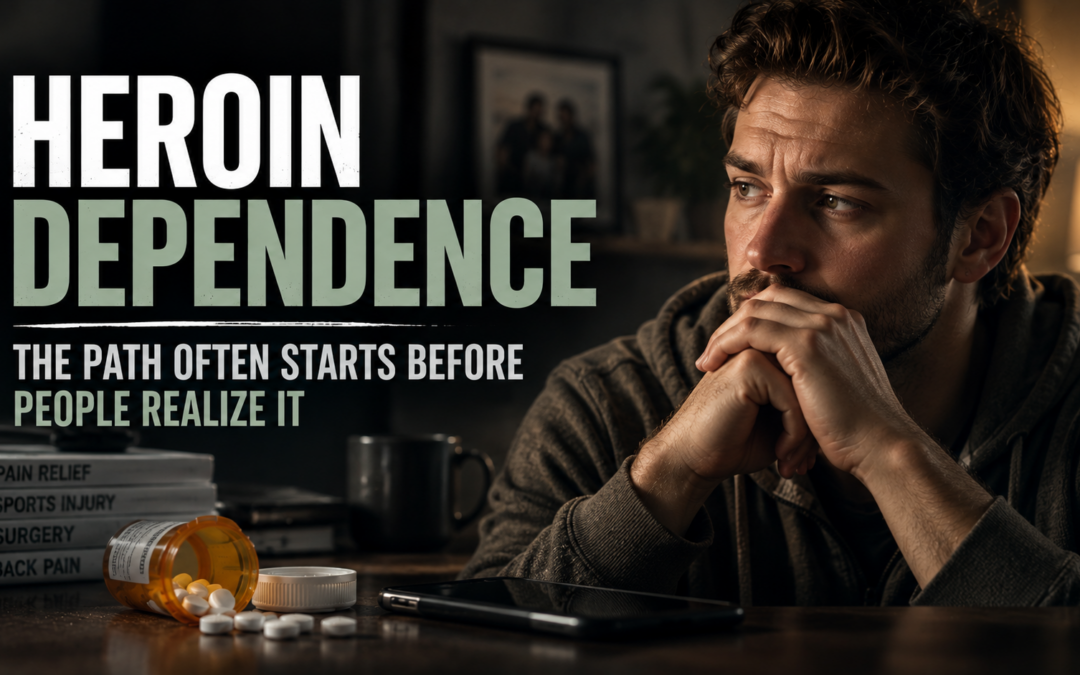
Heroin dependence rarely begins the way people imagine, and that hidden path is often why families miss the warning signs until someone they love is already caught in it. If you are worried about a loved one, or looking back and wondering how you did not see it sooner, please know you are not alone.
The truth is that this kind of dependence usually develops quietly. It moves through small, gradual changes that can look like stress, exhaustion, or an ordinary rough patch.
By the time the signs become clear, the person is often already struggling with something far bigger than a passing phase. That gap between what happens inside a person and what others can see is real, and it is not a failure of love or attention.
Please know that reaching out for information is a brave and caring step. This article explains how this dependence forms, why it is so hard to recognize from the outside, the warning signs worth knowing, and how the right support can help. Recovery is possible, and you do not have to face this alone.
What Is Heroin Dependence?
Heroin dependence is a condition in which the body and brain adapt to the presence of the drug and come to rely on it to feel normal. It is a recognized medical condition, not a moral failing or a sign of weakness.
Over time, regular use changes how the brain works. The person may no longer use heroin to feel good, but rather to avoid feeling sick or to simply function through the day.
This shift is powerful and physical. It helps explain why willpower alone rarely reverses dependence, and why compassionate, professional care makes such a difference.
Dependence is not the same as choice
Dependence reflects real changes in the brain and body, not a lack of character. A person living with it is often trapped by the very changes the drug has caused.
Understanding this can ease blame, both for the person struggling and for those who love them. It also opens the door to seeking help without shame.
How Do Tolerance and Physical Dependence Develop So Gradually?
Tolerance and physical dependence develop gradually because the body adjusts to heroin a little more with each use. What starts as a strong effect slowly requires more of the drug to reach the same feeling.
This process is quiet and steady. Tolerance means the body needs increasing amounts to feel the original effect, which often leads a person to use more over time.
Physical dependence follows close behind. The body begins to expect the drug, and without it, uncomfortable withdrawal symptoms appear.
The slow climb of tolerance
Tolerance rises so slowly that the person may not notice the change themselves. Each increase feels small, like turning up a dial one notch at a time.
Before long, the amount that once felt overwhelming becomes routine. This gradual climb is part of why the danger stays hidden for so long.
When the body starts to depend on it
Physical dependence sets in when the body relies on heroin to feel steady. Missing a dose can bring aches, nausea, sweating, anxiety, and deep discomfort.
At this point, using is often about avoiding withdrawal rather than seeking a high. The cycle becomes self-reinforcing, which makes stopping alone feel nearly impossible.
Mini takeaway: Dependence builds in small, quiet steps, which is why it can take hold long before anyone recognizes it.
Why Is Heroin Dependence So Hard to Recognize From the Outside?
Heroin dependence is hard to recognize from the outside because its early signs often mimic everyday struggles. Fatigue, mood changes, and pulling away can look like stress, a busy season, or a passing low point.
Many people work hard to hide their use, especially early on. They may keep up with work, school, or family responsibilities while quietly struggling underneath.
This ability to function can mislead even the most caring families. Loved ones may sense something is off without being able to name what it is.
When warning signs look like ordinary life
Early changes can blend into normal ups and downs. Sleeping more, seeming distracted, or having less energy can all seem unremarkable on their own.
Because these signs are so easy to explain away, families often wait, hoping things will improve. That waiting is understandable, and it is rarely anyone’s fault.
The role of secrecy and shame
Shame frequently keeps a person from asking for help. They may fear judgment, disappointing loved ones, or admitting how far things have gone.
That secrecy deepens the isolation and keeps the struggle hidden longer. Gentle, nonjudgmental conversations can help create the safety a person needs to open up.
What Warning Signs Should Families Know?
The warning signs families should know include changes in behavior, physical health, and daily patterns that build over time. Recognizing them early can open the door to support before things grow more serious.
Watch for these signs in someone you love:
- Withdrawing from family, friends, or activities they once enjoyed.
- Noticeable changes in sleep, whether sleeping far more or far less.
- Shifts in mood, energy, or motivation that seem out of character.
- Unexplained financial trouble or missing money and belongings.
- Neglecting responsibilities at work, school, or home.
- Physical signs like drowsiness, small pupils, or frequent flu-like symptoms.
- Secretiveness about their whereabouts or daily activities.
No single sign confirms dependence, and these changes can have many causes. Still, a pattern of several signs together is worth taking seriously with care and compassion.
Trust your instincts
If something feels wrong, gently trust that feeling. You do not need certainty to start a caring conversation or to reach out to a professional for guidance.
Approaching a loved one with concern rather than accusation often helps. Leading with love can make it safer for them to be honest.
How Are Prescription Opioids and Mental Health Connected to Heroin Dependence?
Prescription opioids and mental health conditions are closely connected to heroin dependence, because both can quietly pave the path toward it. Many people first encounter opioids through a legitimate prescription for pain.
Over time, some people develop tolerance or dependence on those medications. When access ends or the prescription runs out, heroin can become a cheaper or more available substitute.
This progression is common, and it helps explain why dependence often develops in people who never expected it. The path frequently begins somewhere that felt safe and medical.
When pain relief becomes something more
A prescription for a real injury or surgery can gradually shift into dependence. The person did nothing wrong, and this progression reflects how powerful these medications are.
Recognizing this connection removes blame and points toward better support. It also highlights why careful, informed care matters so much.
Why co-occurring mental health conditions matter
Many people living with a substance use disorder also face depression, anxiety, or trauma. These are known as co-occurring conditions, and they often feed one another.
Someone might use substances to quiet anxiety or numb painful memories. When the underlying condition goes untreated, the pull toward using can return again and again.
This is why integrated care matters. Treating mental health and substance use together, within one coordinated plan, addresses the whole person rather than a single piece of the picture.
What Levels of Care Support Recovery From Heroin Dependence?
Several levels of care support recovery from heroin dependence, and the right fit depends on a person’s needs, safety, and daily life. Care can grow more intensive during hard stretches and ease back as stability returns.
A good treatment team helps match the level of support to where a person is right now. Common levels of care include:
- Medically supervised detox for a safe, monitored start as the body clears the drug and withdrawal is managed with comfort and care.
- Residential or inpatient care for structured, round-the-clock support in a calm, focused environment.
- Partial hospitalization for intensive daytime treatment with evenings spent at home.
- Intensive outpatient care for regular, structured sessions that still allow for work, school, or family life.
- Outpatient care for ongoing therapy and check-ins as daily routines rebuild.
Many people move through several of these stages over time. This step-down approach eases a person toward greater independence at a manageable pace.
Why detox is a starting point, not the finish line
Detox safely clears the drug from the body, but it does not address the reasons behind use. The deeper healing work continues in the stages that follow.
Think of detox as clearing the ground before building. The care that comes after is where lasting recovery truly takes shape.
How Do You Decide When to Seek Help?
You should consider seeking help when heroin dependence affects a person’s health, relationships, responsibilities, or safety, or when warning signs keep building. You never have to wait for a crisis to reach out.
Use these questions to guide your next step:
- Have you noticed a pattern of warning signs over time? A cluster of changes is worth taking seriously with compassion.
- Did the struggle begin with prescription opioids? This common path calls for informed, professional support.
- Are mental health challenges part of the picture? A provider who treats co-occurring conditions can address both together.
- Has your loved one tried to stop but returned to use? This often signals that dependence needs more than willpower alone.
- Do you feel worried, overwhelmed, or unsure how to help? Reaching out supports both you and the person you love.
Answering yes to any of these does not mean anyone has failed. It means caring support is available, and it is within reach.
If you or a loved one is ever in immediate danger or having thoughts of self-harm, please seek help right away. You can call or text the 988 Suicide and Crisis Lifeline in the United States at any time.
Common Questions Before Starting Treatment
How can I tell the difference between normal changes and heroin dependence?
A single change usually is not cause for alarm, but a pattern of several warning signs building over time is worth attention. If you feel worried, a professional can help you understand what you are seeing and guide your next step.
My loved one started with a prescription. How did it lead to this?
This is more common than many people realize. Tolerance and dependence can develop from prescribed opioids, and when access ends, some people turn to heroin. It reflects how powerful these substances are, not a personal failing.
Is detox enough on its own?
Detox is an important first step, but it is rarely enough for lasting recovery. It safely manages withdrawal, while the therapy and support that follow address the deeper causes and help build a healthier life.
What if my loved one does not want help yet?
This is a painful and common situation. Gentle, honest conversations, patience, and guidance from a professional can make a real difference over time. A caring team can also help you encourage treatment without pressure.
Can treatment address mental health too?
Yes. Integrated care treats substance use and conditions like depression, anxiety, or trauma together within one coordinated plan. Addressing both at the same time tends to support more lasting recovery.
You Do Not Have to Navigate This Alone
Heroin dependence develops along a quiet path that most people do not recognize until someone they love is already on it, and seeing it now is not a failure but a chance to help. If warning signs have been building, please know that what you are noticing matters, and support is available.
You are not alone in this, and recovery is possible with the right care around you. Understanding how this dependence forms is a powerful and hopeful first step toward change.
When you feel ready, consider reaching out to a treatment provider who understands opioid use and any related challenges you or your loved one may be facing. A compassionate team can listen to your story, answer your questions, and help you build a plan that fits your needs. Take that next step whenever you are ready, because support is here for you.