Residential drug treatment is one of the most intensive and comprehensive levels of care available for people navigating substance use disorders, yet it carries a reputation that does not reflect how it actually works. Many people assume it is reserved for worst-case scenarios, for individuals who have relapsed repeatedly or reached a crisis point that leaves no other option. That assumption delays care, and for many people, that delay makes recovery harder than it needs to be.
If you are researching treatment for yourself or someone you love, understanding what residential care actually involves and who benefits from it most can change how you approach the decision in front of you. This article explains what residential treatment is, who it serves, how it differs from outpatient care, and why entering it earlier rather than later is often the more effective clinical choice.
What Is Residential Treatment and How Does It Work?
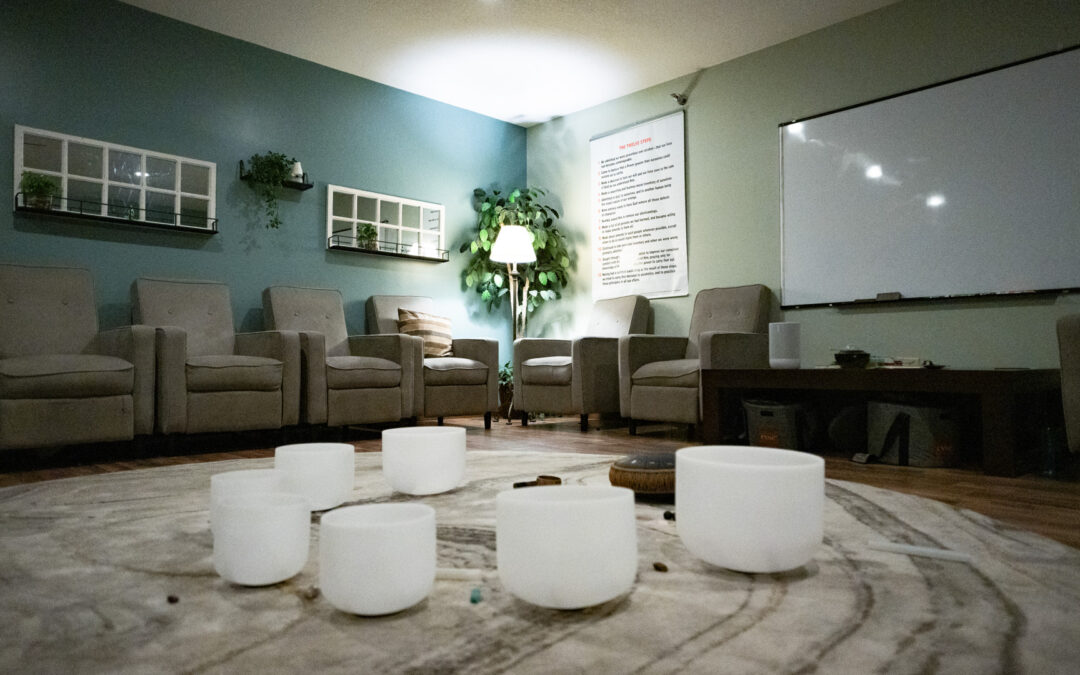
Residential treatment is a structured, live-in program where individuals receive clinical care around the clock in a therapeutic environment. Participants stay at the facility for the duration of treatment, which removes them from the circumstances, people, and environments associated with substance use and replaces daily life with a consistent focus on recovery.
That structure is intentional. Early recovery involves significant neurological and emotional adjustment. Having medical staff, therapists, and peers present throughout that process means support is available when it is needed, not hours later at the next scheduled appointment.
The program operates through a combination of individual therapy, group-based treatment, psychiatric care where appropriate, and structured daily activities designed to build the skills and insight that recovery requires. It is not a passive experience. The work is real, and for many individuals, it is the most concentrated and meaningful clinical engagement they have ever had.
Why Is Residential Often Recommended Earlier Than People Expect?
Residential treatment is often recommended before a person has exhausted every other option because waiting tends to make recovery harder, not easier. The longer substance use continues, the more it can disrupt relationships, employment, physical health, and mental well-being. Earlier intervention addresses those disruptions before they compound.
Many people are surprised to learn that residential care is appropriate not only for those in crisis but also for individuals who want a strong, well-supported foundation from the start. Concentrated clinical care early in the process can shorten the overall recovery timeline compared to years of cycling through less intensive treatment that does not quite match the level of support a person actually needs.
Choosing the right level of care based on clinical need, rather than waiting until problems reach a breaking point, is a thoughtful and proactive decision. It reflects a commitment to recovery, not an admission of failure.
Who Benefits Most From Residential Treatment?
Residential treatment benefits a wide range of individuals, not only those experiencing the most severe presentations of substance use. It is particularly well-suited for people whose living environment makes early recovery difficult, whether because of ongoing exposure to substances, relationships that reinforce use, or a lack of reliable support at home.
Individuals with co-occurring mental health conditions, such as depression, anxiety, or trauma-related conditions, often benefit from the integrated clinical support that residential programs provide. When both conditions are addressed simultaneously within the same care framework, outcomes tend to be stronger than when each is treated separately or in sequence.
People who have previously tried outpatient treatment without lasting results may also find that residential care provides the structure and depth of support that was missing. A higher level of clinical engagement does not mean previous efforts were wasted. It means the support has been adjusted to better match what recovery genuinely requires.
How Does Residential Drug Treatment Support Durable Recovery?
Residential treatment supports durable recovery by addressing more than the physical side of substance use. The underlying causes, including unresolved emotional pain, behavioral patterns, relationship dynamics, and co-occurring mental health conditions, are all part of a comprehensive care plan.
The therapeutic community within a residential setting also plays a meaningful role. Sharing the recovery process with peers who understand it firsthand provides a form of connection and accountability that reinforces engagement. That sense of community does not disappear when treatment ends. Many people carry it forward as part of their ongoing support network.
Transition planning is built into quality residential programs from the start. The goal is not simply to complete the program. The goal is to leave with a clear, supported plan for what comes next, including the next level of care, ongoing therapy, and the practical strategies needed to manage high-risk situations in real life.
What Happens During a Residential Treatment Program?
What Does a Typical Day Look Like?
A typical day in residential drug treatment is structured from morning through evening, with programming that balances therapeutic work, skill-building, and time for reflection. Days often include morning check-ins or mindfulness practice, followed by group therapy sessions that explore topics such as relapse prevention, emotional regulation, and communication. Individual therapy is scheduled throughout the week, giving each person dedicated time with a licensed clinician. Evenings may include peer support meetings, educational programming, or family sessions, depending on the program.
How Are Treatment Plans Individualized?
Treatment plans are built around each person’s specific history, clinical needs, and recovery goals rather than a single standard protocol. Before and during treatment, clinical staff conduct thorough assessments covering substance use history, mental health background, relationships, trauma, and life circumstances. That information shapes every element of care, from the therapy modalities used to the discharge plan developed before the program ends.
What Therapies Are Commonly Included?
Evidence-based therapies commonly included in residential programs include Cognitive Behavioral Therapy (CBT), which helps individuals identify and shift the thought patterns connected to substance use, and Dialectical Behavior Therapy (DBT), which builds emotional regulation and distress tolerance skills. Group process therapy, motivational approaches, and trauma-informed care are also frequently part of residential treatment. When clinically appropriate, psychiatric support and medication management are integrated into the overall care plan.
How Does Residential Care Compare to Outpatient Care?
When Is Outpatient Treatment Appropriate?
Outpatient treatment is appropriate for individuals with stable housing, reliable support systems, and the capacity to engage consistently with a treatment schedule while managing daily responsibilities. Intensive Outpatient Programs (IOP) and Partial Hospitalization Programs (PHP) offer meaningful clinical support for people who have enough stability to benefit from a less structured setting.
When Is Residential Treatment the Better Fit?
Residential drug treatment is the better fit when a person’s home environment, daily circumstances, or clinical complexity make it difficult to sustain recovery without more intensive support. If outpatient care has not produced lasting results, if the living situation involves regular exposure to substance use, or if co-occurring conditions require consistent clinical oversight, residential care provides a level of support that outpatient settings typically cannot match.
The question is not which option sounds more committed. The question is which option best matches the clinical reality of where someone is in their recovery journey.
How Do You Know Whether Residential Drug Treatment Is the Right Next Step?
Deciding on a level of care is a clinical question, not a personal judgment. These considerations can help you think through whether residential treatment may be the most appropriate next step.
- A comprehensive assessment by a clinical professional helps determine the level of care that best matches your specific needs and circumstances.
- A structured residential environment can be beneficial when substance use is significantly disrupting daily functioning, relationships, or employment.
- Co-occurring mental health concerns, such as depression, anxiety, or trauma, may require the higher level of integrated clinical support that residential care provides.
- Thoughtful treatment planning should account for both immediate stabilization and long-term recovery goals, rather than focusing only on getting through the first few days.
If you are uncertain whether residential care is the right fit, speaking with an admissions specialist is a practical and pressure-free way to get clearer guidance based on your actual situation.
What Families Often Ask About Residential Treatment
Does someone need to complete detox before entering residential drug treatment?
In many cases, yes. Medical detox helps stabilize the body before the deeper work of residential treatment begins. Many programs can help coordinate that transition, and some residential facilities have detox services on site or work directly with detox providers to make the process seamless.
How long does residential drug treatment typically last?
Program length varies based on individual clinical need. Many residential programs range from 28 to 90 days, with some individuals continuing in structured care longer based on progress and circumstances. Length of stay is determined collaboratively with the treatment team.
Can family members stay involved during treatment?
Yes. Family involvement is encouraged in most residential programs. This may include family therapy sessions, educational programming, and regular communication with the treatment team. Family engagement during treatment can strengthen the recovery process and help prepare everyone for the transition that follows.
What happens after residential drug treatment ends?
Discharge planning begins well before the program concludes. Most individuals transition into a lower level of care, such as PHP or IOP, continuing clinical work at a less intensive level while building independence. Continuing care planning is a standard part of residential treatment at quality programs.
Taking the Next Step Toward Recovery
Residential drug treatment is not where people go when all else has failed. For many individuals, it is the most direct and effective path to building a genuine foundation for lasting recovery. Choosing residential care is a decision based on clinical appropriateness, not severity, and making that choice earlier rather than later often leads to better outcomes with less overall disruption to a person’s life.
Recovery is possible, and the right support makes a meaningful difference. If you are considering whether residential treatment is the right fit for yourself or a loved one, help is available. Reach out to Our Team to learn more about treatment options, verify insurance coverage, and speak with an admissions specialist at Arrowwood Addiction Treatment Center.