
Choosing to seek help for a substance use disorder is one of the bravest decisions a person can make. It is an acknowledgment that life has become unmanageable and a powerful declaration of hope for a better future. For many individuals, the journey to lasting recovery requires more than just willpower; it requires a complete change of environment. This is where residential drug treatment becomes a vital resource.
By offering a safe, immersive environment removed from the triggers and stressors of daily life, residential treatment provides the 24/7 focus and structure necessary for profound healing. It is a space designed not just for stopping substance use, but for rebuilding a life from the ground up.
The Power of a Structured Environment
Life in active addiction is often characterized by chaos, unpredictability, and a loss of routine. One of the primary benefits of residential drug treatment is the restoration of order. From the moment a client arrives, they enter a structured addiction recovery environment where every part of the day is designed to support their wellness.
This structure serves several critical purposes:
Removing External Triggers
In the early stages of recovery, willpower is often fragile. Living at home means facing constant reminders of substance use, whether it’s specific people, stressful situations, or even certain places in the neighborhood. Residential treatment removes these external triggers entirely. By stepping away from their usual environment, clients can focus solely on their recovery without the constant distraction of cravings triggered by their surroundings.
Creating a Sense of Safety
For many, addiction stems from or is fueled by trauma, anxiety, or a chaotic home life. , facilities provide a sanctuary a safe, neutral space where clients can let their guard down. Knowing that medical and clinical support is available around the clock allows individuals to feel secure enough to confront difficult emotions and begin the healing process.
Establishing Healthy Routines
Recovery is about building new habits. In a residential setting, clients follow a daily schedule that includes therapy, nutritious meals, physical activity, and rest. This consistency helps reset the body’s natural rhythms, particularly sleep and appetite, which are often disrupted by substance use. Over time, these daily practices become internalized, teaching clients how to structure their own lives healthily once they return home.
Therapeutic Approaches that Promote Deep Healing
While the environment provides the container for healing, therapy provides the tools. Residential drug treatment offers an intensity of clinical care that is difficult to replicate in outpatient settings. Because clients are on-site 24/7, they can engage in a diverse range of therapeutic modalities designed to address the whole person—mind, body, and spirit.
Individual and Group Therapy
At the core of treatment is counseling. Individual sessions allow clients to dive deep into their personal history, uncovering the root causes of their addiction. Whether it’s unresolved trauma, co-occurring mental health conditions like depression, or chronic stress, these sessions offer a private space to process pain.
Simultaneously, group therapy offers a powerful counter to the isolation of addiction. Sharing stories with peers who truly understand the struggle validates feelings and reduces shame. It teaches clients how to be vulnerable, listen to others, and give and receive support—skills that are essential for rebuilding relationships outside of treatment.
Holistic and Experiential Therapies
Recovery is not just about talking; it’s about experiencing life differently. Many residential programs incorporate holistic therapies such as art therapy, music therapy, mindfulness meditation, and yoga. These activities help clients reconnect with their bodies and emotions in a non-verbal way. They provide healthy outlets for stress and show individuals that it is possible to experience joy, peace, and creativity without substances.
The Role of Community in Long-Term Sobriety Support
Perhaps one of the most transformative aspects of residential treatment is the community it builds. Addiction thrives in secrecy and isolation; recovery thrives in connection. Living alongside others who are fighting the same battle creates a unique bond that often lasts long after treatment ends.
In this supportive community, clients learn accountability. They encourage one another on difficult days and celebrate milestones together. This peer support network is invaluable, acting as a mirror that reflects a person’s potential back to them when they cannot see it themselves.
Furthermore, residential treatment prepares clients for the transition back to the “real world.” Through comprehensive aftercare planning, case managers help individuals connect with outpatient programs, sober living homes, and local support groups. This ensures that the sense of community cultivated during treatment continues to provide long-term sobriety support well into the future.
Reclaim Your Life with Focused Care
Residential treatment is an investment in yourself. It is a time to pause, reflect, and dedicate your energy entirely to getting well. By providing a structured, nurturing environment, it allows you to lay a solid foundation for a life of sobriety, health, and purpose.
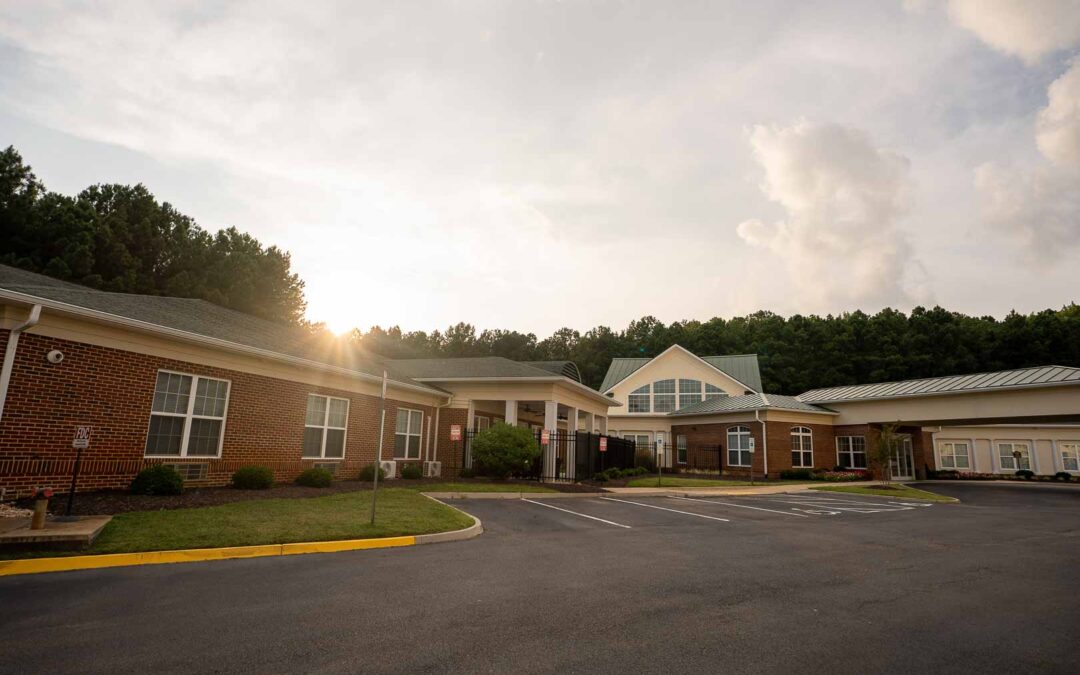
At Arrowwood Addiction Treatment Center, we understand that every person’s story is unique. Our residential program is designed to provide the personalized care, safety, and structure you need to heal deeply and permanently. You do not have to navigate this journey alone.
Reach out to Arrowwood Addiction Treatment Center today to speak with a compassionate professional about how our residential program can help you or your loved one find the path to lasting recovery. Your new beginning starts here.